 Back to Blogs

When strong winds and thunderstorms move through Central Mississippi, your roof and windows may be the first parts of your home you think to check. But your siding can take a beating during severe weather, too. High winds can loosen siding panels, damage edges, and drive rain into areas that are normally protected.
Some siding wind damage is easy to spot, while other problems may not become obvious until later. Knowing what to look for after a storm with heavy winds can help you identify damage before it leads to bigger problems for your home’s exterior.
From loose or missing panels to hidden moisture concerns, here are the signs our siding replacement experts want you to watch out for, where to inspect your siding, and what to do if you discover damage.
Key Takeaways:
- High winds can lift, warp, and even completely remove siding panels.
- When your property experiences high-wind weather, look for loose fasteners or panels that have cracked, buckled, or blown away.
- Wind-driven rain can add compounding moisture damage issues to weakened, wind-damaged siding.
- Ask a siding expert about replacing damaged panels and consider heavy-duty vinyl and composite options that can protect your home for the future.
How can wind damage siding?
A door’s material is only one part of the equation. A secure entry door also needs a strong frame, quality hardware, and proper installation.
Fiberglass doors use tough composite materials around an insulated core. Unlike many wood doors, they won’t warp, crack, or split as the weather changes. That helps them stay strong for years.
Look for fiberglass entry doors that include:
- Reinforced frames
- Heavy-duty hinges
- Multi-point locking systems
- Deadbolt-ready hardware
- Durable weatherstripping
- Strong threshold systems
When all of these parts work together, they create a door that’s purpose-built to help protect your home.
Are fiberglass entry doors secure against break-ins?
Siding is designed to protect the exterior of your home from everyday exposure to the elements. However, powerful wind gusts can place additional pressure on siding panels and vulnerable areas around corners, windows, doors, and rooflines.
Wind can get underneath a loose edge and cause a siding panel to lift or pull away from the house. In more severe conditions, sections of siding may crack or come off completely. Flying branches and other windblown debris can also strike the siding and cause dents, cracks, or punctures.
Even if a storm that hits your home doesn’t cause widespread or immediately obvious damage, it’s worth taking a closer look at your exterior once conditions are safe to check the state of your siding.
What are the signs of siding wind damage?
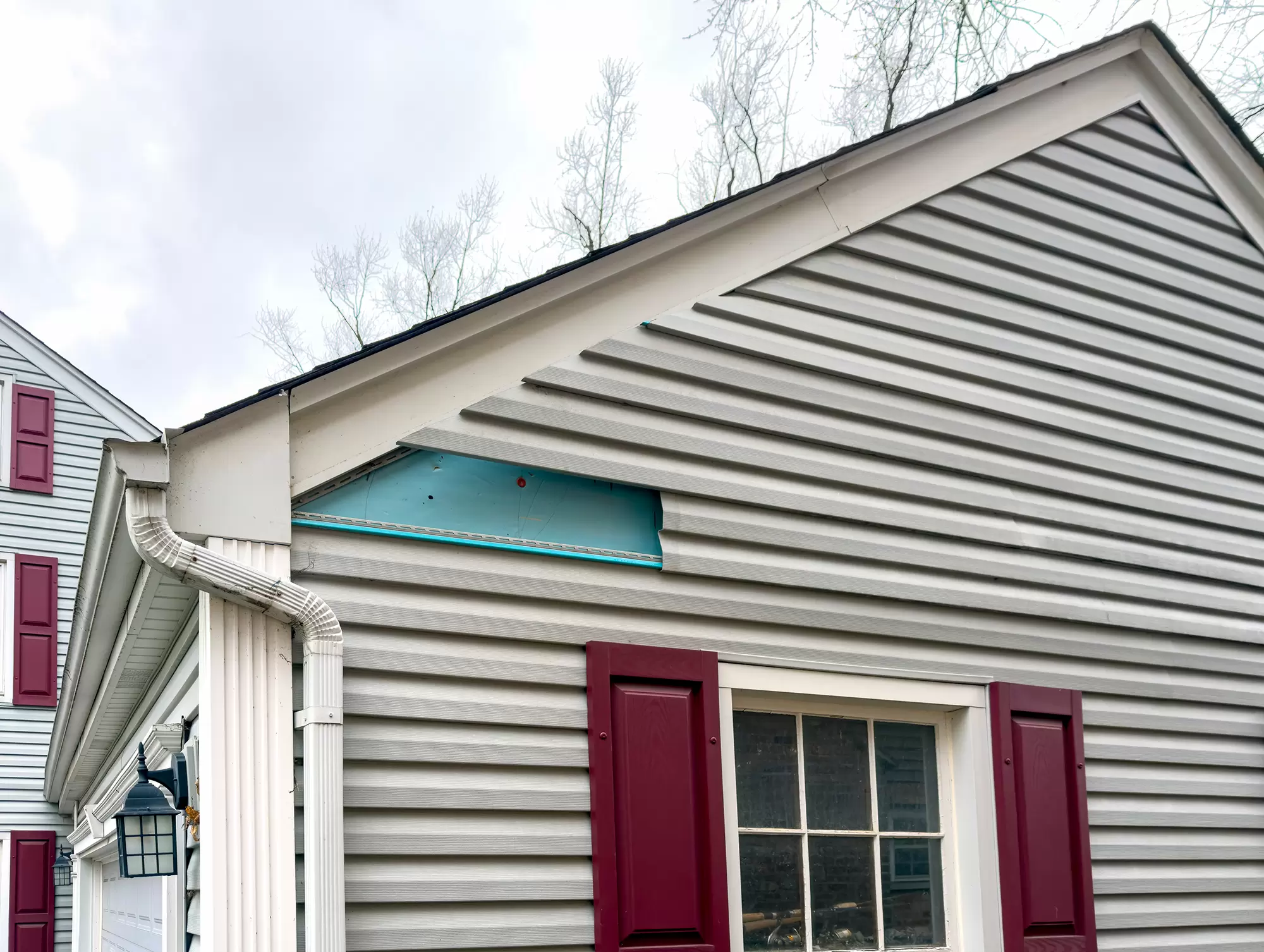
You don’t necessarily need to see a missing panel to know something is wrong. Siding damage from wind can range from dramatic changes to small problems that are easy to overlook.
After severe weather, walk around your property from a safe distance and look for:
- Missing siding: Sections that have blown off leave the materials underneath your siding exposed to the elements.
- Loose or lifted panels: Siding that no longer sits flat against the house may have been pulled away by strong winds.
- Cracks and splits: Wind pressure and flying debris can crack siding or damage its edges and corners.
- Warping or buckling: Panels that suddenly look uneven, wavy, or distorted may have shifted during the storm.
- Exposed or loose fasteners: Changes around fasteners can indicate that sections of siding have moved or pulled away.
- Damage around openings: Pay close attention to siding around windows, doors, corners, and rooflines, where wind may catch an exposed edge.
- Rattling or movement: If you hear siding rattling when the wind picks up, a panel or section may no longer be securely attached.
You may be able to see some of these signs of wind-damaged siding from the ground. Avoid climbing ladders or attempting to inspect areas that aren’t safely accessible, especially immediately after severe weather.
How does wind-driven rain cause hidden problems for siding?
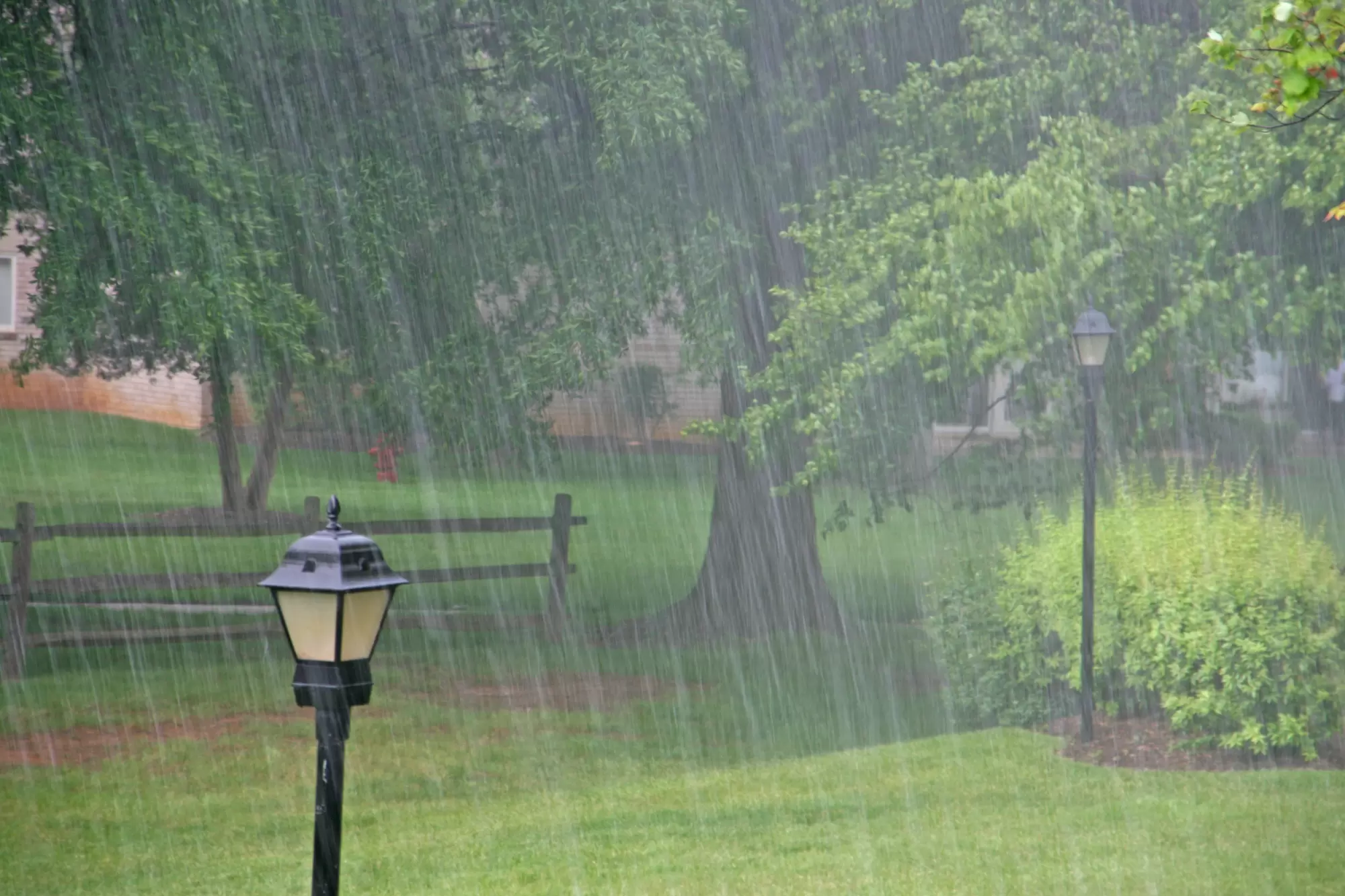
Wind isn’t the only factor affecting siding during a severe storm. Strong gusts can push rain against your home’s exterior and into openings that wouldn’t normally allow water to enter.
If your siding has been cracked, lifted, or pulled away from the house, wind-driven rain may reach the materials behind it. Because siding is designed to shed water and help protect the underlying structure, even a relatively small opening can leave an area more vulnerable to moisture.
The resulting problem may not be obvious from outside. Depending on where water enters, you might eventually notice dampness, discoloration, musty odors, peeling interior paint, or other signs of excess moisture.
That’s one reason it’s important not to dismiss a loose siding panel simply because the rest of the exterior still looks fine. Finding and fixing wind-damaged siding can help restore the protective exterior barrier around your home.
Where should you check your siding after a storm?
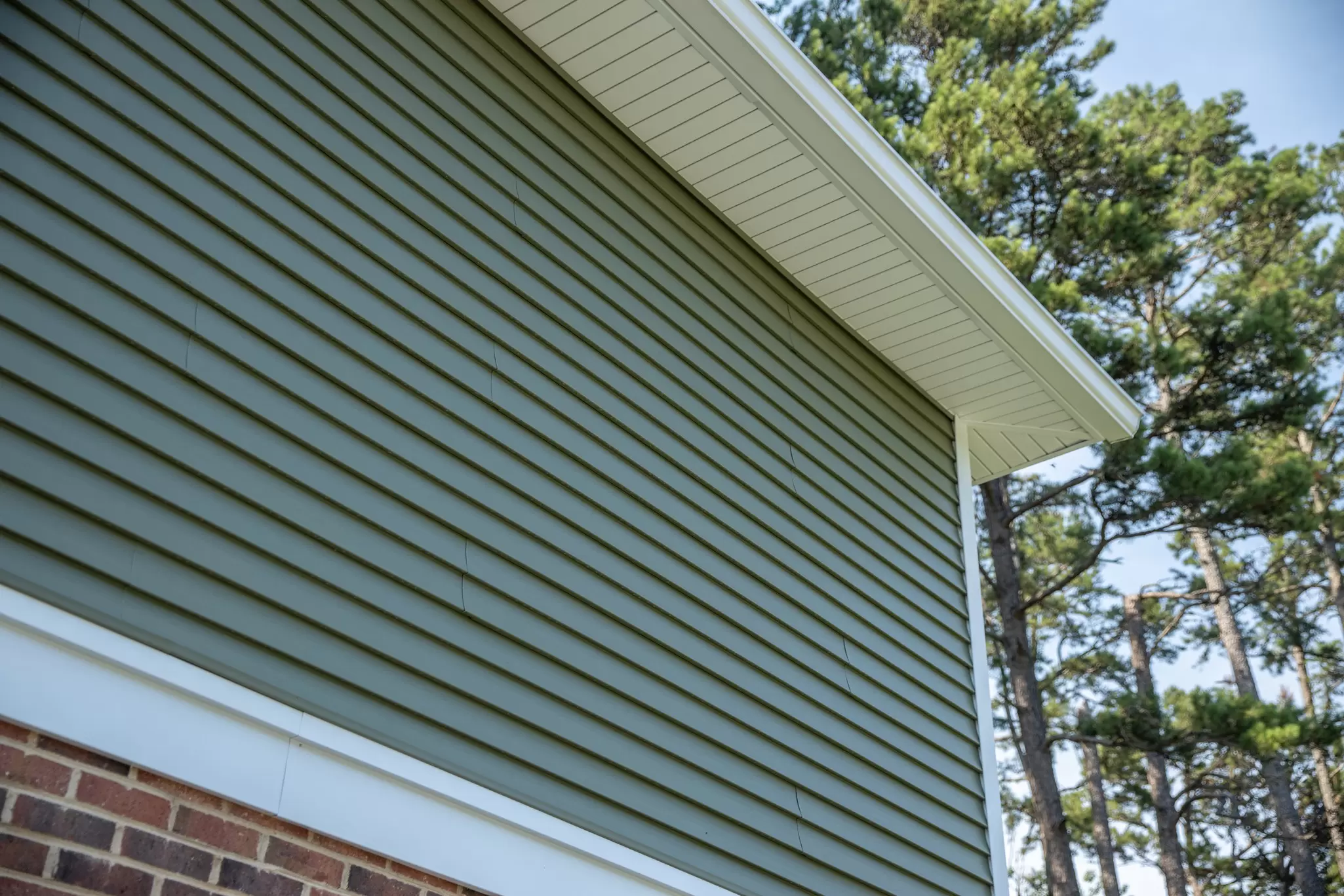
A quick visual inspection can help you identify potential trouble spots. Once the storm has passed and it’s safe to go outside, walk around the entire house rather than checking only the side that appears to have taken the brunt of the weather.
Start with corners and edges, where wind may be more likely to get underneath a loose section. Look closely around windows and doors as well as areas where siding meets trim or another exterior material.
Don’t forget to step back and look at larger sections of the wall. A panel that has shifted slightly may be difficult to notice up close but easier to spot when you can compare it with the rows around it.
You should also check the ground around your home. Pieces of siding or trim that have fallen into the yard can be an immediate clue that damage occurred somewhere above.
Can wind-damaged siding be repaired?
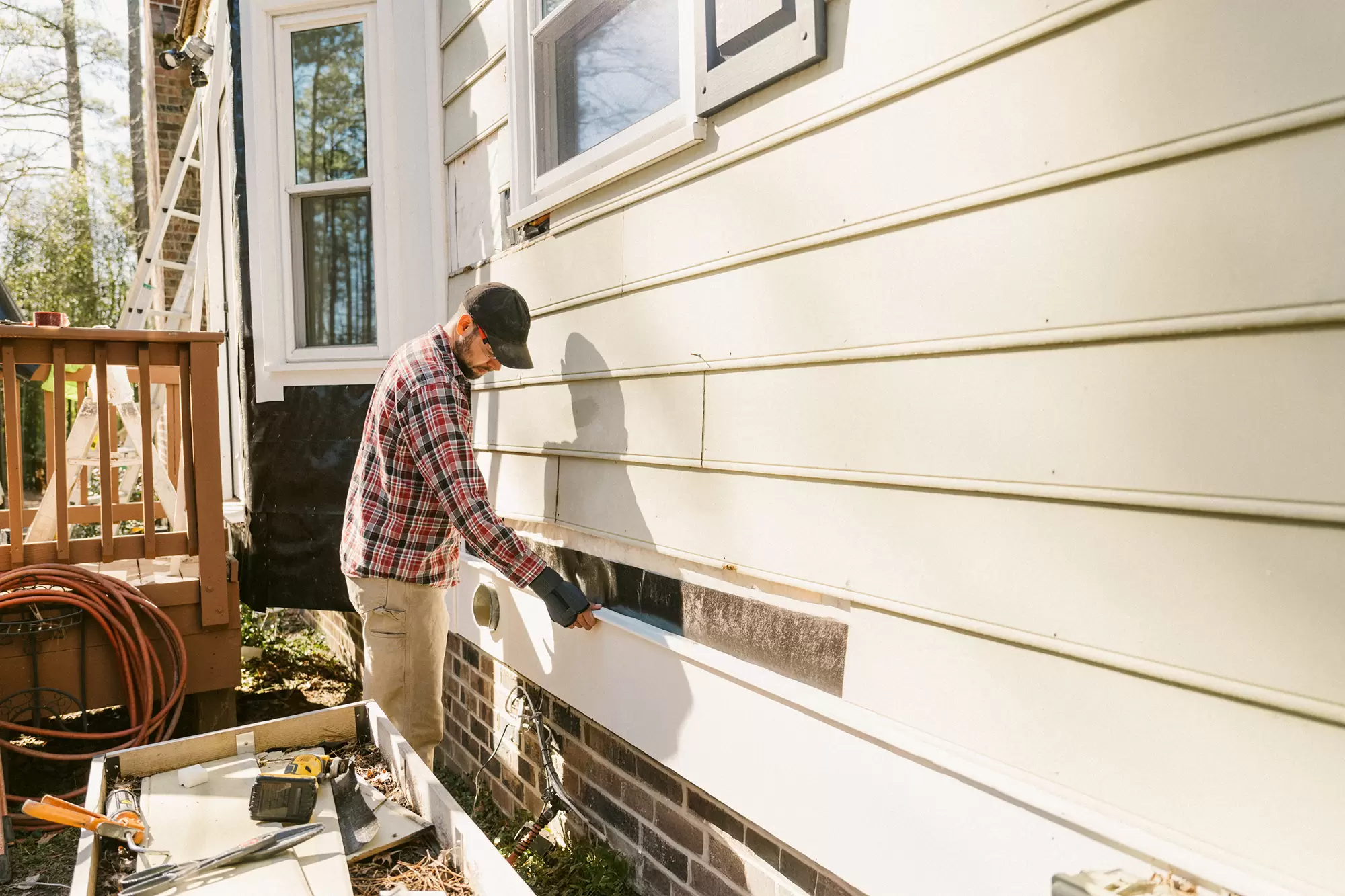
Whether siding damaged by wind can be repaired depends on the extent and location of the damage. A limited area with a loose or damaged panel may require a different solution than siding with widespread cracks, missing sections, or underlying moisture problems.
The age and condition of your existing siding also matter. If the material was already brittle, warped, or deteriorating before the storm, damage may be more extensive than it initially appears.
Color matching can also be a consideration with older siding. Years of sun and weather exposure can gradually change the appearance of the existing material, making a singular newly installed replacement panel more noticeable.
When you request a free inspection and quote from our siding professionals at Window World of Central Mississippi, we can discuss a solution that addresses all sections of your exterior for a uniform appearance and defense.
What should you do if you find siding damage?
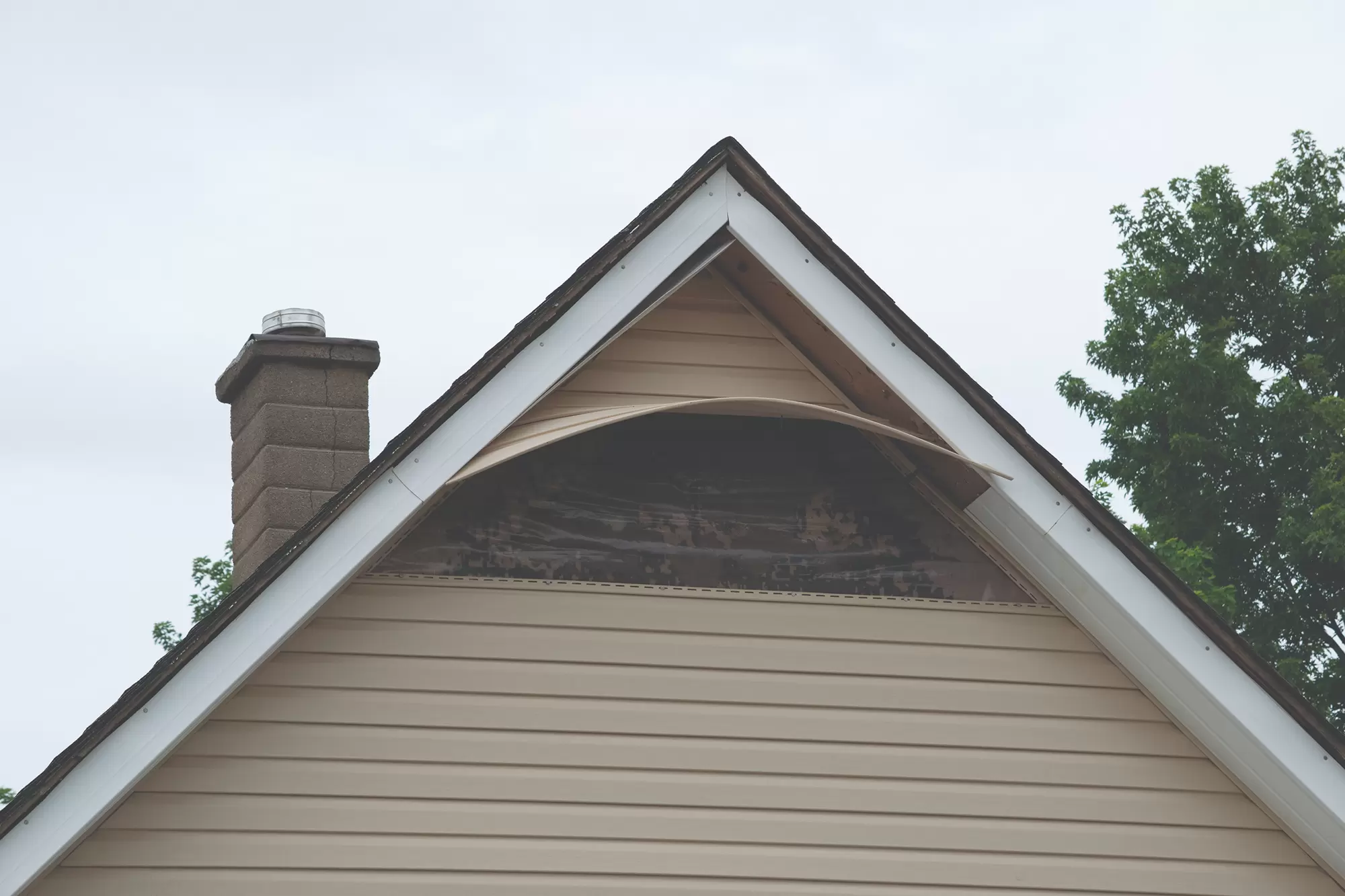
If you notice siding damage after a gusty storm, document what you can safely see before making changes. Taking photographs of missing, cracked, or displaced siding can give you a record of its condition after the weather event.
Avoid pulling on loose siding or pushing panels back into place if you’re unsure how extensive the damage is. What looks like a single loose piece from the outside may be connected to other compromised sections.
Don’t ignore small openings either. Siding plays a role in protecting the materials beneath it, so addressing damage sooner can help prevent continued exposure to rain and other elements.
If you’re concerned about significant storm damage, you may also want to review your homeowners insurance policy and contact your insurer to find out whether the wind damage may be covered.
What makes siding more resistant to wind?
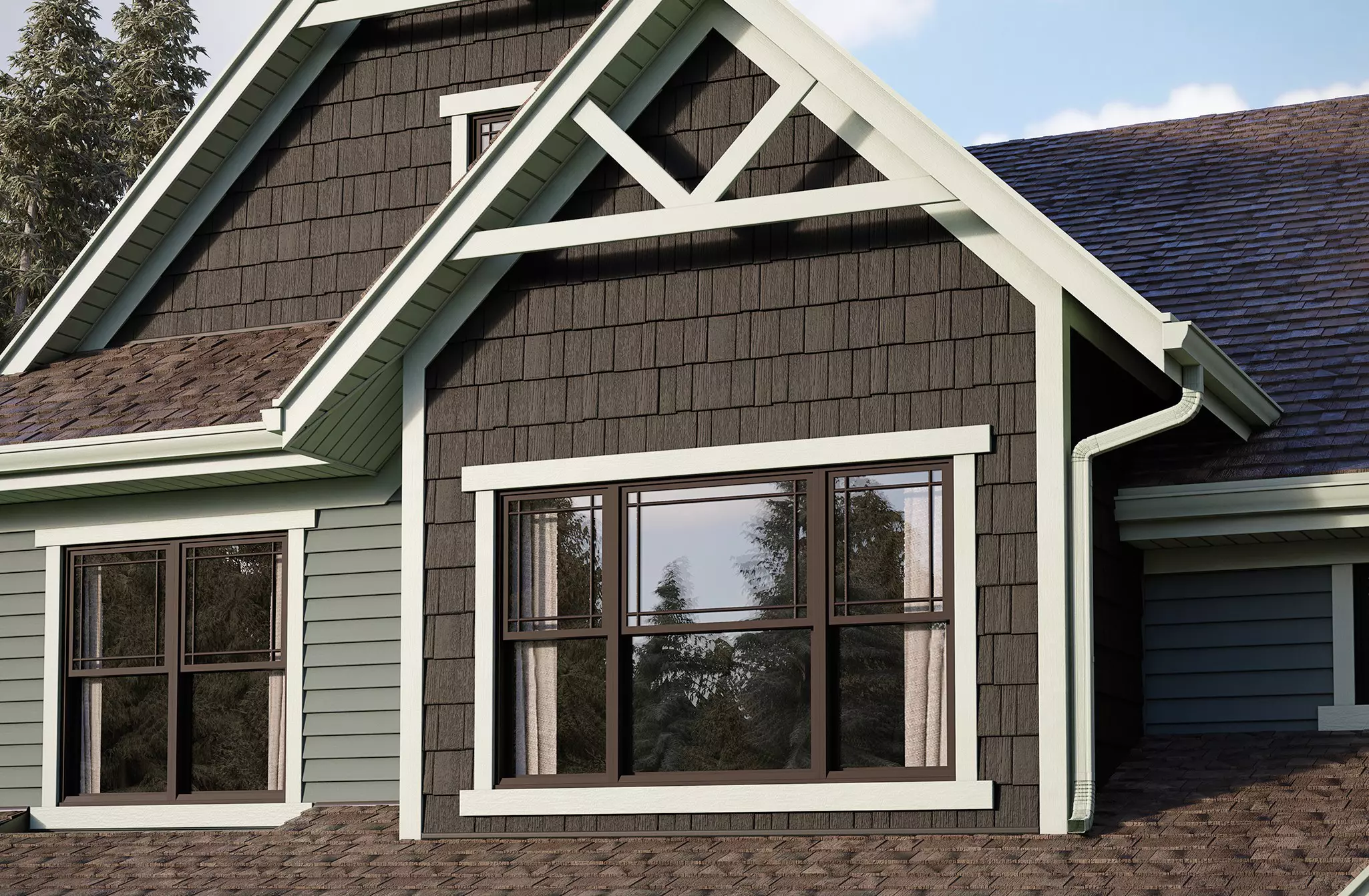
If you’re replacing damaged siding, durability matters, especially in areas with strong thunderstorms and high winds.
When comparing the best vinyl siding for high-wind areas like ours, don’t focus on the siding panels alone. The complete system and proper installation play important roles in how well siding performs. Panels need to be installed according to manufacturer requirements, so they have the appropriate attachment while still allowing for the natural expansion and contraction of vinyl.
Product specifications can also help you compare vinyl siding wind resistance. Rather than assuming all vinyl siding performs the same way, ask about the manufacturer’s tested wind ratings and whether the product is appropriate for your home’s location and exposure.
Window World of Central Mississippi offers multiple siding options, including the durable 4000 Series, 6000 Series insulated vinyl siding, and Everlast® composite siding.
When you request an at-home consultation, our no-pressure design professionals can help you compare the features of each option and determine which siding option makes sense for your home.
Protect your home in Central Mississippi with dependable wind-resistant siding
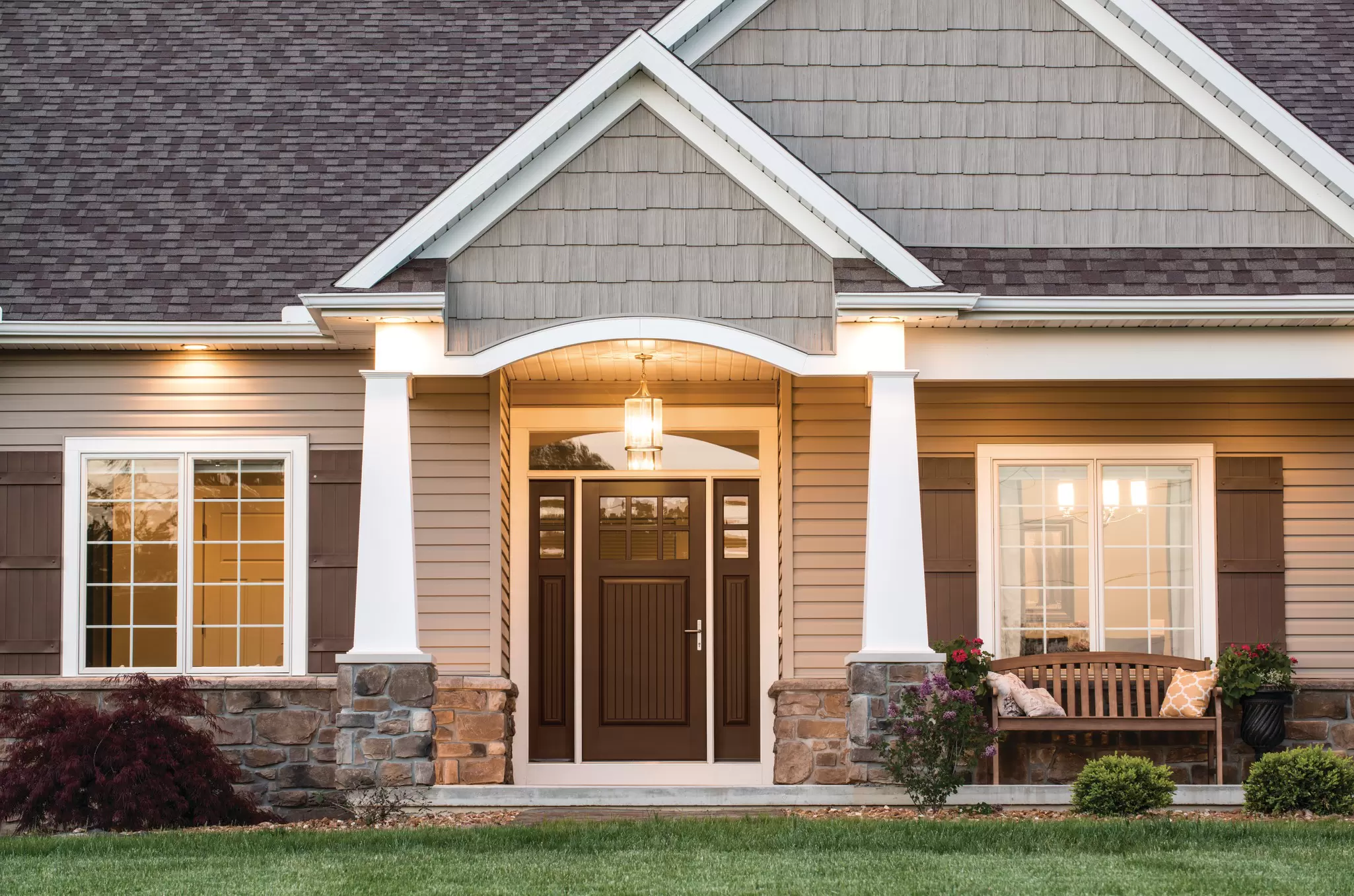
Your siding is more than an exterior design feature. It helps protect your home from rain, wind, moisture, and the changing weather conditions that come with living in Central Mississippi.
After a strong storm, checking for loose panels, cracks, missing sections, and other signs of vinyl siding wind damage can help you catch potential problems early. If you’re unsure about what you’re seeing, or your existing siding is ready for replacement, a professional can help you determine the best next step.
Window World of Central Mississippi offers durable siding options for homes throughout Jackson and surrounding communities. Our team can help you choose a siding system that complements your home while providing the durability and protection you need.
Think your siding may have been damaged by high winds? Request a free quote from Window World of Central Mississippi today to schedule your in-home estimate.


